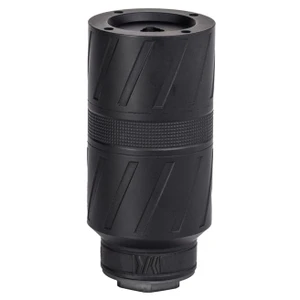
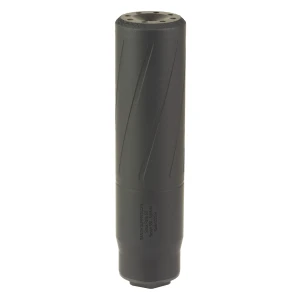
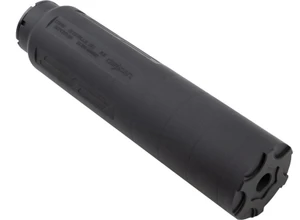
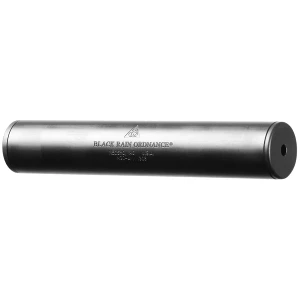
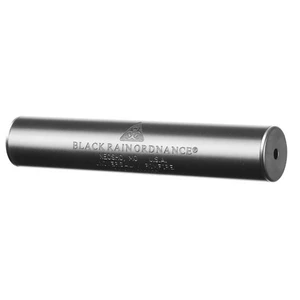
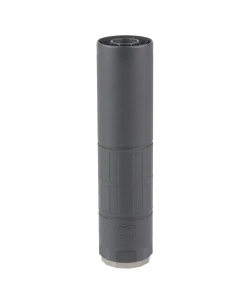
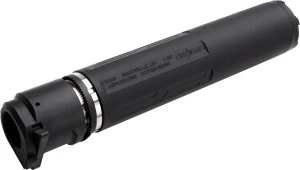
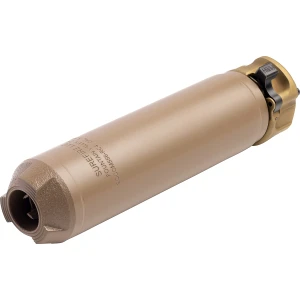
Firearm suppressors, also commonly called silencers, are devices designed to reduce the sound produced when a firearm is discharged. Suppressors differ in construction, intended firearm platform, caliber compatibility, and manufacturer specifications. Understanding these differences is important when researching firearm sound-reduction devices.
At Nexgen Outfitters, our suppressor information covers common classifications, technical terminology, and regulatory considerations. Manufacturer documentation should always be consulted for product-specific compatibility and requirements.
Understanding Firearm Suppressor Types
Suppressors are commonly classified according to their intended firearm platform and manufacturer specifications.
- Rifle Suppressors: Devices manufactured for specified rifle calibers and firearm platforms.
- Pistol Suppressors: Suppressors intended for compatible handgun configurations.
- Rimfire Suppressors: Models designed for particular rimfire cartridges.
- Multi-Caliber Suppressors: Devices with manufacturer-defined compatibility across multiple calibers.
- Suppressor Accessories: Components subject to manufacturer compatibility and installation requirements.
Suppressor Regulations and Transfer Requirements
Firearm suppressors are regulated under the National Firearms Act (NFA). Federal transfer requirements apply, and additional state or local restrictions may govern possession and ownership.
Suppressor transfers generally involve appropriately licensed Federal Firearms Licensees (FFLs), including dealers with applicable Special Occupational Tax (SOT) status. Transfers to individual purchasers generally require approval through the relevant ATF process.
For information about company policies and applicable purchasing requirements, please review the Nexgen Outfitters Suppressor Terms and Conditions .
Frequently Asked Questions About Suppressors
What is the difference between a suppressor and a silencer?
Suppressor and silencer are commonly used terms for the same type of firearm sound-reduction device. Neither term means that a firearm becomes completely silent.
Are firearm suppressors regulated under federal law?
Yes. Suppressors are regulated under the National Firearms Act. State and local laws may impose additional restrictions on possession and transfer.
What does FFL/SOT mean?
FFL stands for Federal Firearms Licensee. SOT stands for Special Occupational Tax. Certain licensed businesses handling items regulated under the National Firearms Act must maintain the appropriate SOT status.
Do suppressors require ATF approval?
Transfers to individual purchasers generally require approval through the applicable National Firearms Act process. Approval requirements are separate from any applicable transfer tax.
Where can I review Nexgen Outfitters' suppressor policies?
The Nexgen Outfitters Suppressor Terms and Conditions provide information about company policies and applicable purchasing requirements.